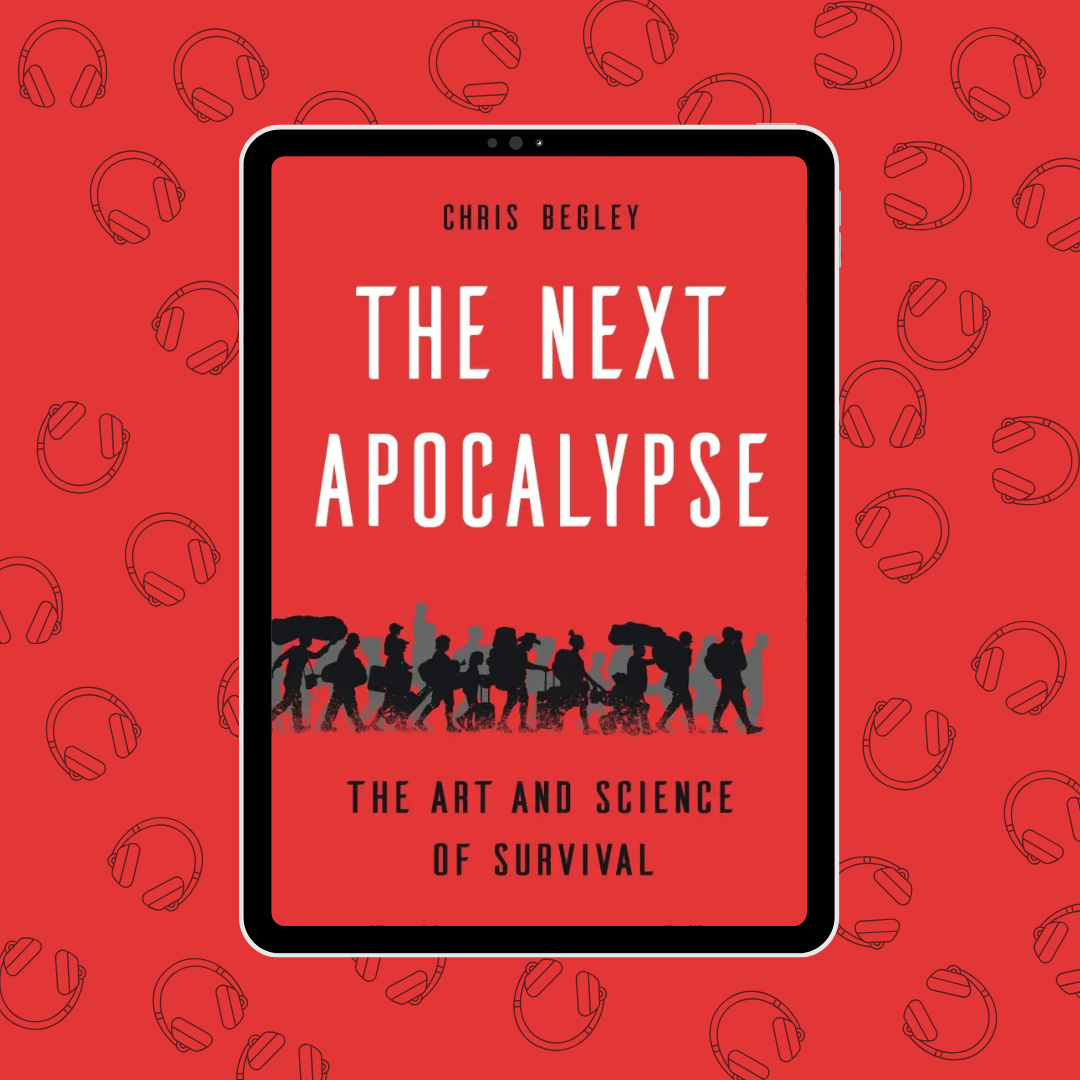
Review: The NExt Apocalypse
Chris Begley's "The Next Apocalypse" is a thought-provoking examination of societal collapse that offers both stark warnings and unexpected hope for readers grappling with our environmental crisis, drawing fascinating parallels between past civilisations and our current climate predicament.
Begley, an archaeologist, brings a unique perspective to climate discourse by examining how previous societies have faced, and often failed to navigate, environmental challenges. His exploration of civilizations that collapsed due to ecological pressures feels uncomfortably relevant as we watch ice caps melt, forests burn, and weather patterns destabilize across the globe.
What makes this book particularly valuable from a climate perspective is Begley's refusal to engage in either doomsday fatalism or false optimism. Instead, he presents a nuanced analysis of how societies adapt, transform, or collapse when faced with environmental stress. His archaeological lens reveals patterns of human behavior that feel eerily familiar: the tendency to maintain unsustainable practices even when warning signs are clear, the role of inequality in determining who suffers most from environmental degradation, and the complex relationship between technological innovation and ecological wisdom.
The book's treatment of climate change avoids the trap of treating it as an abstract future threat. Begley grounds the discussion in real-world examples of how environmental shifts have shaped human history, making the current crisis feel both more urgent and more manageable. His analysis suggests that while climate change poses unprecedented challenges, human societies have demonstrated remarkable adaptability when forced to confront environmental realities. Perhaps most importantly for climate-conscious readers, "The Next Apocalypse" offers a framework for thinking about resilience and transformation rather than just survival. Begley explores how some societies successfully reinvented themselves in response to environmental pressures, providing models for the kind of systemic changes our climate crisis demands.
The book doesn't shy away from uncomfortable truths about the scale of change required to address our environmental challenges, but it also doesn't leave readers feeling helpless. Instead, it suggests that understanding how past civilizations navigated environmental crises can inform more effective responses to our current predicament. For anyone struggling with climate grief or seeking to understand how societies can transform in response to environmental pressure, "The Next Apocalypse" provides both historical context and cautious hope for navigating our uncertain future.